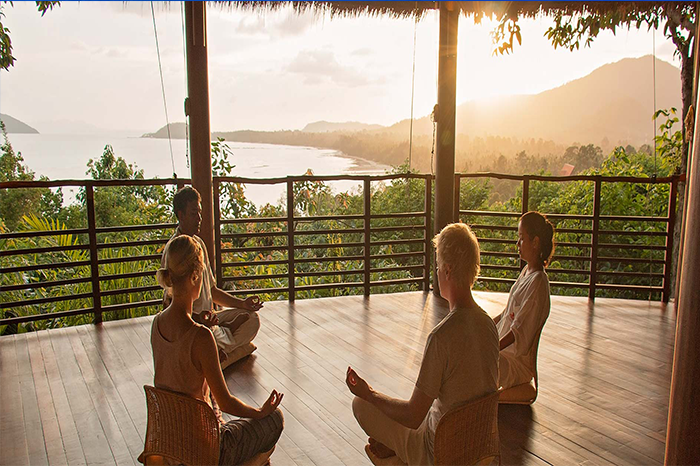
Yoga and meditation spiritual retreats offer a unique opportunity for personal growth and transformation. These retreats combine the physical and mental benefits of yoga with the introspective practices of meditation, providing a holistic approach to well-being within a supportive and immersive environment. Participants can expect to cultivate mindfulness, reduce stress, and connect with their inner selves, often leading to profound shifts in perspective and lifestyle.
Retreats vary widely, catering to diverse needs and preferences. From luxurious accommodations in exotic locales to budget-friendly options in serene natural settings, there’s a retreat style to suit everyone. The programs themselves also differ, encompassing various yoga styles (Hatha, Vinyasa, Yin, etc.) and meditation techniques (mindfulness, transcendental, guided imagery, etc.). The common thread is a focus on self-discovery and spiritual exploration through mindful movement and contemplative practices.
Defining Yoga and Meditation Retreats
Yoga and meditation retreats offer a structured environment for personal growth and spiritual exploration, combining the physical practice of yoga with the mental discipline of meditation. These retreats provide a sanctuary away from the daily stresses of life, allowing participants to focus inward and cultivate a deeper sense of self-awareness and well-being.
Core Components of a Typical Retreat
A typical yoga and meditation retreat includes daily yoga classes, meditation sessions, and often incorporates other practices to support holistic well-being. These might include mindful movement, breathwork (pranayama), healthy and nutritious meals, and opportunities for reflection and journaling. The schedule is generally structured but allows for personal time and relaxation. The overall aim is to create a supportive and nurturing environment conducive to inner peace and transformation.
Types of Yoga and Meditation Practices
Various styles of yoga and meditation are offered depending on the retreat’s focus and the instructor’s expertise. Yoga styles might range from gentle Hatha yoga, suitable for beginners, to more vigorous Vinyasa or Ashtanga flows. Meditation practices can include mindfulness meditation, transcendental meditation, guided meditation, and loving-kindness meditation, each offering unique benefits. Retreats often cater to different experience levels, offering beginner-friendly options alongside more advanced practices.
Benefits of Attending a Yoga and Meditation Retreat
Participants can expect to experience a range of benefits from attending a yoga and meditation retreat. These include reduced stress and anxiety, improved sleep quality, increased self-awareness, enhanced physical fitness and flexibility, and a greater sense of inner peace and calm. Many find that retreats provide a space for emotional processing and personal growth, fostering a deeper connection with themselves and the world around them.
The structured environment and supportive community often contribute to lasting positive changes in mindset and lifestyle.
Comparison of Different Retreat Styles
| Retreat Style | Accommodation | Cost | Atmosphere |
|---|---|---|---|
| Luxury Retreat | High-end hotels, resorts, or private villas; often with spa facilities | High; can range from several hundred to thousands of dollars | Relaxing, pampered, and often includes additional amenities like massage therapy and gourmet meals |
| Budget Retreat | Simple accommodations like hostels, guesthouses, or shared rooms in retreat centers | Low; often affordable for those with limited budgets | More basic but still focused on providing a supportive environment for practice |
| Silent Retreat | Emphasis on silence to promote introspection and deepen meditative practice | Varies depending on the retreat center and amenities | Quiet, contemplative, and ideal for those seeking deep inner peace |
| Interactive Retreat | Includes group discussions, workshops, and social activities alongside individual practice | Varies depending on the retreat center and amenities | More social and engaging, suitable for those who prefer a community-based approach |
Target Audience for Yoga and Meditation Retreats
Yoga and meditation retreats attract a diverse audience united by a common desire for personal growth, stress reduction, and spiritual exploration. Understanding this audience’s demographics, psychographics, and motivations is crucial for effective marketing and retreat design.The primary drivers for participation are multifaceted and often intertwined. Individuals may seek respite from demanding lifestyles, aiming to reconnect with themselves and nature.
Others may be actively pursuing spiritual development, hoping to deepen their understanding of mindfulness and inner peace. Many participate to improve physical and mental well-being, utilizing the retreat as a catalyst for healthy habits and stress management techniques.
Demographics and Psychographics of Retreat Attendees
The typical attendee is often, but not always, female, aged between 30 and 55, with a higher-than-average level of education and disposable income. However, this is a broad generalization. Retreats attract individuals from various socioeconomic backgrounds, age groups, and ethnicities, united by their shared interest in wellness and self-improvement. Psychographically, attendees tend to be open-minded, introspective, and value experiences over material possessions.
They are often seeking authenticity, connection, and a sense of community. A significant portion might identify as spiritually inclined, though this isn’t a strict requirement for participation.
Motivations for Participation in Yoga and Meditation Retreats
Several key motivations drive individuals to attend these retreats. Stress reduction and improved mental well-being are consistently cited as primary reasons. The opportunity to disconnect from technology and daily routines, fostering a sense of calm and rejuvenation, is highly attractive. Many seek personal growth and self-discovery, using the retreat as a platform for introspection and exploring their inner selves.
Spiritual exploration and deepening one’s connection to something greater than oneself are also significant motivating factors for a substantial portion of participants. Finally, the chance to connect with like-minded individuals and build a supportive community is a powerful draw.
Effective Marketing Strategies for Yoga and Meditation Retreats
Reaching the target audience requires a multi-pronged approach. Digital marketing, including targeted social media advertising (Facebook, Instagram) and search engine optimization (), is essential. Content marketing, such as blog posts and articles on wellness and mindfulness, can attract organic traffic and establish credibility. Collaborations with wellness influencers and bloggers can significantly expand reach and build trust. Email marketing is crucial for nurturing leads and promoting upcoming retreats.
Finally, partnerships with yoga studios, meditation centers, and other wellness businesses can tap into existing communities of interest.
Examples of Compelling Marketing Copy
Consider these examples:
“Escape the everyday and rediscover your inner peace. Our yoga and meditation retreat offers a transformative journey of self-discovery in a serene natural setting.”
“Unwind, reconnect, and rejuvenate. Join us for a week of mindful movement, deep relaxation, and nourishing connection with yourself and nature. Limited spaces available.”
“Invest in yourself. Our retreat provides the tools and space you need to manage stress, improve focus, and cultivate inner peace. Transform your life, one breath at a time.”
Location and Setting of Retreats
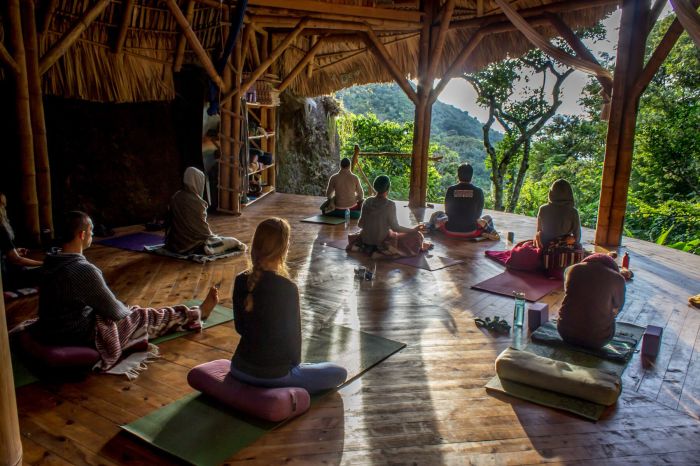
The environment plays a crucial role in the success of a yoga and meditation retreat. The ideal location should foster a sense of peace, tranquility, and connection with nature, promoting relaxation and introspection. Accessibility, however, must also be considered to ensure a welcoming and inclusive experience for all participants.The choice of location significantly impacts the overall retreat experience.
Different settings offer unique benefits, catering to various preferences and needs. Careful consideration of the environment is key to creating an atmosphere conducive to inner peace and rejuvenation.
Geographical Locations for Retreats
Popular geographical locations for yoga and meditation retreats often leverage the inherent calming qualities of their natural surroundings. Mountains, beaches, and forests each provide distinct advantages. Mountain retreats offer breathtaking views, crisp air, and a sense of seclusion, ideal for those seeking a challenging yet rewarding experience. Beach retreats provide a soothing soundscape of waves, warm sunshine, and the opportunity for invigorating ocean activities.
Forest retreats, on the other hand, immerse participants in the tranquility of nature, fostering a sense of grounding and connection with the earth. Each location offers a unique atmosphere conducive to self-reflection and spiritual growth. For example, the Himalayan mountains are renowned for their spiritual significance and stunning scenery, attracting numerous retreats, while coastal locations in Bali or Costa Rica are popular for their tropical beauty and relaxed atmosphere.
Ideal Retreat Setting: A Visual Representation
Imagine a retreat nestled amidst a lush, verdant forest, near a tranquil lake. The main building, constructed from sustainable, natural materials like wood and stone, features large windows that frame breathtaking views of the surrounding landscape. A spacious yoga shala, with high ceilings and natural light, overlooks the lake, offering a serene setting for practice. Individual accommodations are designed with comfort and privacy in mind, featuring private balconies or patios overlooking the forest.
Outdoor spaces include walking paths winding through the woods, a meditation platform by the lake, and a fire pit for evening gatherings. The overall aesthetic is one of simple elegance, blending seamlessly with the natural beauty of the surroundings. The color palette is predominantly natural, with earth tones and calming greens and blues dominating the interior and exterior spaces.
Factors Contributing to a Positive Retreat Experience
The location significantly contributes to the overall success of a yoga and meditation retreat. Several factors related to the setting directly impact the participant’s experience.
- Natural Beauty: Stunning scenery, whether it’s mountains, beaches, or forests, provides a visually calming and inspiring backdrop for practice and relaxation.
- Quiet and Seclusion: A peaceful environment, free from distractions, is crucial for fostering introspection and deep relaxation.
- Accessibility: The location should be easily accessible yet offer a sense of escape from the everyday hustle and bustle.
- Amenities and Facilities: Comfortable accommodations, a well-equipped yoga shala, and access to healthy meals contribute to a positive experience.
- Climate and Weather: A pleasant climate conducive to outdoor activities enhances the overall retreat experience.
Spiritual Journeys and Related Travel Experiences
Yoga and meditation retreats represent a specific type of spiritual journey, focusing on inward exploration through physical postures, breathwork, and mindful practices. However, the broader landscape of spiritual travel encompasses a diverse range of experiences, each offering unique pathways to personal growth and connection. Understanding these diverse approaches allows individuals to select the journey most aligned with their personal needs and preferences.Spiritual journeys often involve a shift in perspective, a conscious effort to disconnect from daily routines and reconnect with oneself and something larger than oneself.
This pursuit of inner peace and understanding is a common thread, though the methods and contexts vary significantly.
Comparison of Yoga and Meditation Retreats with Other Spiritual Journeys
Yoga and meditation retreats offer structured programs focusing on specific practices. Pilgrimages, on the other hand, typically involve travel to sacred sites, often with a strong emphasis on religious or cultural traditions. Solo retreats, while potentially incorporating elements of yoga or meditation, are characterized by self-directed exploration and a greater degree of individual autonomy. The similarities lie in the shared goal of spiritual growth and self-discovery.
The differences primarily reside in the level of structure, the presence of a community, and the specific practices employed. Yoga retreats provide a guided, community-based approach, while solo retreats emphasize individual introspection, and pilgrimages often blend personal reflection with cultural immersion and communal participation.
Similarities and Differences Between Yoga Retreats and Remote Destinations
While both yoga retreats and remote destinations offer opportunities for disconnection from daily life and a chance to reconnect with nature, they differ in their intentionality. Yoga retreats are specifically designed to foster spiritual growth through structured practices. Remote destinations, such as secluded cabins or wilderness areas, provide a setting conducive to introspection and relaxation but lack the structured program of a retreat.
The similarity lies in the potential for enhanced self-awareness and a deeper connection with oneself and the natural world. The difference lies in the degree of intentionality and the presence of a guided program. A remote destination offers the
- potential* for spiritual growth, while a yoga retreat actively
- cultivates* it.
Incorporating Spiritual or Mindful Experiences into Various Travel Types
Many travel experiences can be enhanced by incorporating elements of mindfulness and relaxation, transforming them into opportunities for personal growth.
- Theme Park Vacations: Mindful moments amidst the excitement; scheduling breaks for quiet reflection, practicing gratitude for the experiences, and consciously appreciating the details of the surroundings.
- Private Jet Travel: Transforming the journey itself into a mindful experience; utilizing the time for meditation, journaling, or simply appreciating the views.
- Luxury Train Journeys: Savoring the journey; focusing on the scenery, engaging in mindful eating, and disconnecting from technology to enhance the sense of presence.
- Agricultural Tourism: Connecting with nature; participating in farm activities mindfully, appreciating the process of food production, and fostering a sense of gratitude for nature’s bounty.
- Cycling Tours: Embracing the present moment; focusing on the physical sensations of cycling, appreciating the landscapes, and engaging in mindful breathing during the ride.
- Wine and Vineyard Tours: Mindful tasting; appreciating the aromas, flavors, and textures of the wines, and savoring the experience without rushing.
- Heritage Tourism: Connecting with history; engaging with the stories and artifacts mindfully, appreciating the cultural significance, and fostering a sense of connection to the past.
- City Breaks: Mindful exploration; engaging with the city’s sights and sounds with intention, practicing mindful walking, and appreciating the urban environment.
The Business of Yoga and Meditation Retreats
Running a successful yoga and meditation retreat requires a blend of spiritual understanding, business acumen, and operational efficiency. This involves careful planning, strategic marketing, and adept management of resources to create a transformative experience for guests while maintaining profitability. Understanding the market dynamics and potential challenges is crucial for long-term success.
Operational Aspects of Running a Successful Retreat
Successful yoga and meditation retreats hinge on meticulous operational planning. This includes securing a suitable venue with adequate facilities (accommodation, yoga studios, meditation spaces, dining areas), coordinating logistics (travel arrangements, catering, equipment rentals), managing staff (instructors, support personnel), and ensuring a smooth and safe experience for participants. A detailed schedule, including daily activities, meals, and free time, is essential.
Effective communication with participants before, during, and after the retreat is crucial to manage expectations and address any concerns. Furthermore, adherence to safety regulations and obtaining necessary permits and licenses are non-negotiable aspects of responsible retreat operation.
Pricing Strategies for Yoga and Meditation Retreats
Pricing strategies vary depending on factors such as location, duration, amenities offered, instructor reputation, and target audience. Retreat centers often use a tiered pricing model, offering different packages with varying levels of accommodation and inclusions. For example, a basic package might include shared accommodation and basic meals, while a premium package might include private rooms, gourmet meals, and additional spa treatments.
Some centers also offer early bird discounts or group discounts to incentivize bookings. Pricing should reflect the value proposition of the retreat, balancing profitability with accessibility for the target market. Competitor analysis is also vital in setting appropriate pricing. For instance, a retreat in a luxurious setting with renowned instructors will command a higher price point than a retreat in a more rustic location with less experienced instructors.
Challenges and Opportunities in the Yoga and Meditation Retreat Market
The yoga and meditation retreat market presents both significant opportunities and considerable challenges. Opportunities include a growing global interest in wellness tourism, increasing demand for mindfulness practices, and the potential for diversification (e.g., incorporating other wellness activities like hiking or sound healing). Challenges include intense competition, seasonal fluctuations in demand, managing guest expectations, and ensuring sustainability and ethical practices.
The market is also susceptible to external factors like economic downturns and global events. Successfully navigating this market requires adaptability, innovation, and a strong brand identity. For example, a retreat center could differentiate itself by focusing on a niche market (e.g., retreats for specific demographics or health conditions) or by offering unique experiences not readily available elsewhere.
Hypothetical Business Plan: Serenity Springs Retreat
This hypothetical business plan Artikels the key aspects of launching a new yoga and meditation retreat called “Serenity Springs Retreat.”
Marketing Strategy
The marketing strategy will focus on digital marketing (social media, targeted advertising, website optimization), collaborations with wellness influencers, and partnerships with travel agencies. The brand will be positioned as a luxurious yet accessible retreat offering a holistic wellness experience. Content marketing, such as blog posts and videos showcasing the retreat’s atmosphere and benefits, will be used to attract potential guests.
Staffing Plan
The retreat will require a team of experienced yoga and meditation instructors, chefs, support staff, and potentially a retreat manager. Staff selection will prioritize individuals with a passion for wellness and excellent interpersonal skills.
Financial Projections
Financial projections will be based on estimated occupancy rates, pricing strategies, and operating costs. Revenue projections will consider different package options and potential additional revenue streams (e.g., spa treatments, workshops). Detailed expense budgets will encompass staff salaries, venue rental, marketing costs, and operational expenses. The break-even point and projected profitability will be determined based on these projections.
For example, assuming an average occupancy rate of 70%, an average package price of $1500, and operating costs of $50,000 per retreat, a profit margin of 20% could be realistically achievable. This is a simplified example and actual figures will vary significantly based on various factors.
The Future of Yoga and Meditation Retreats
The yoga and meditation retreat industry is poised for significant growth and evolution in the coming years, driven by changing consumer preferences, technological advancements, and a growing awareness of the importance of well-being. We can expect to see a diversification of offerings, a stronger emphasis on sustainability, and a greater integration of technology to enhance the overall retreat experience.
Emerging Trends in the Yoga and Meditation Retreat Industry
Several key trends are shaping the future of yoga and meditation retreats. The demand for specialized retreats focusing on niche areas, such as trauma-informed yoga, mindfulness for specific health conditions, or retreats incorporating specific spiritual traditions, will likely increase. We’ll also see a rise in shorter, more affordable retreats designed to cater to busy lifestyles, alongside a continued popularity of longer, immersive experiences.
The integration of other wellness practices, such as breathwork, sound healing, and nature immersion, into retreat programs will become increasingly common, creating a more holistic approach to well-being. For example, retreats combining yoga with forest bathing or incorporating indigenous healing practices are gaining traction.
The Impact of Technology on Yoga and Meditation Retreats
Technology will play an increasingly significant role in shaping the retreat experience. Virtual reality (VR) and augmented reality (AR) could be used to enhance meditation practices, providing immersive environments and guided visualizations. Online platforms will facilitate pre-retreat preparation and post-retreat support, fostering community and continued practice. For instance, a retreat could offer pre-recorded guided meditations accessible through an app, allowing participants to prepare mentally before arrival.
Similarly, post-retreat online forums could encourage continued connection and support among participants. The use of digital tools for booking, payment, and communication will streamline operations and enhance customer convenience.
Sustainability and Ethical Practices in Retreat Operations
Sustainability and ethical considerations will become increasingly important for retreat centers. This includes minimizing environmental impact through sustainable building practices, sourcing local and organic food, reducing waste, and supporting local communities. Ethical sourcing of products and services, fair wages for staff, and responsible tourism practices will also be key considerations. Examples of sustainable practices include using solar energy, implementing composting systems, and partnering with local farmers to source food.
Retreats that prioritize ethical and sustainable practices will appeal to environmentally conscious consumers and attract positive media attention.
Innovative Approaches to Designing Yoga and Meditation Retreats
To meet evolving customer needs, retreat organizers are adopting innovative approaches. This includes personalized retreat experiences tailored to individual needs and preferences, offering a wider range of activities and options, and creating a more inclusive and accessible environment. For example, retreats could offer personalized yoga programs based on individual fitness levels and health conditions, or incorporate accessibility features for people with disabilities.
The integration of technology, as discussed previously, also represents an innovative approach to enhance the overall retreat experience. Furthermore, incorporating elements of adventure and exploration, such as hiking or kayaking, can add a unique dimension to the retreat. A retreat in Costa Rica, for instance, might combine yoga and meditation with rainforest hikes and wildlife spotting.
Summary
Ultimately, yoga and meditation spiritual retreats offer a powerful pathway to self-discovery and inner peace. By combining the physical discipline of yoga with the mental clarity of meditation, these retreats provide a transformative experience that extends far beyond the duration of the program. The lasting benefits – improved physical and mental health, increased self-awareness, and a renewed sense of purpose – make these retreats a valuable investment in personal well-being and spiritual growth.
The diverse range of options ensures that there’s a perfect retreat to suit individual needs and aspirations, fostering a journey of self-discovery and lasting transformation.
FAQ Explained
What should I pack for a yoga and meditation retreat?
Comfortable clothing suitable for yoga and meditation, comfortable walking shoes, toiletries, sunscreen, insect repellent, a journal, and any personal medications.
Are yoga and meditation retreats suitable for beginners?
Absolutely! Many retreats cater specifically to beginners, offering modified poses and adapted meditation techniques. It’s always best to inform the retreat organizers of your experience level.
What if I have dietary restrictions or allergies?
Most retreats accommodate dietary needs. It’s crucial to communicate your requirements when booking to ensure they can cater to your preferences.
How much does a yoga and meditation retreat cost?
Prices vary greatly depending on location, duration, amenities, and level of luxury. Expect a range from budget-friendly options to high-end experiences.


