
Wine and food pairing tours set the stage for this enthralling narrative, offering readers a glimpse into a story that is rich in detail and brimming with originality. From popular pairings to the importance of the right match, embark on a flavorful journey like no other.
Wine and Food Pairing Tours
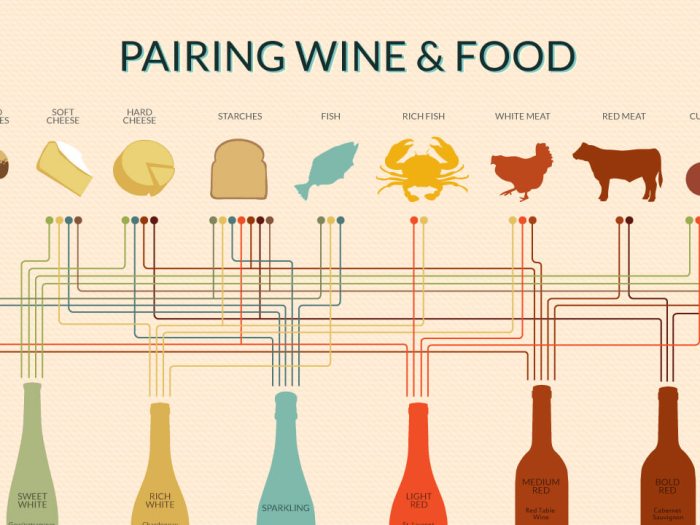
Wine and food pairing is the art of selecting the right wine to complement and enhance the flavors of a particular dish. The goal is to create a harmonious balance between the wine and the food, enhancing the overall dining experience.
Examples of Popular Food and Wine Pairings
- Rich, creamy pasta dishes like fettuccine alfredo pair well with a buttery Chardonnay.
- Grilled steak is often paired with a bold red wine like Cabernet Sauvignon to complement its robust flavors.
- Spicy dishes, such as Indian curry, are often paired with off-dry Riesling to help balance the heat.
The Importance of Pairing the Right Wine with Food
Pairing the right wine with food is crucial as it can significantly enhance the flavors of both the wine and the dish. The acidity, sweetness, tannins, and body of the wine should complement the flavors and textures of the food, creating a memorable dining experience. A well-paired wine can elevate the overall enjoyment of a meal and create a more harmonious balance between the flavors.
Spiritual Journeys
A spiritual journey is a personal quest or exploration undertaken to seek a deeper connection with oneself, higher power, nature, or the universe. It often involves reflection, introspection, meditation, and seeking a sense of purpose or meaning in life.
Destinations for Spiritual Experiences
- India: Known for its rich spiritual heritage, with destinations like Varanasi, Rishikesh, and Bodh Gaya offering opportunities for meditation, yoga, and spiritual retreats.
- Peru: Home to the ancient Inca civilization and the mystical Machu Picchu, where visitors can experience a sense of awe and spiritual connection with the surrounding nature.
- Japan: With a strong tradition of Zen Buddhism and Shintoism, places like Kyoto and Mount Koya offer serene environments for spiritual practices and self-discovery.
Benefits of Engaging in Spiritual Journeys
- Self-discovery: Spiritual journeys allow individuals to explore their beliefs, values, and innermost thoughts, leading to a deeper understanding of themselves.
- Personal growth: By stepping out of their comfort zones and challenging their perspectives, people can experience personal growth and transformation during spiritual journeys.
- Peace of mind: Engaging in spiritual practices and immersing oneself in serene environments can help reduce stress, anxiety, and promote mental well-being.
Remote Destinations
Remote destinations refer to locations that are far away from urban centers or heavily populated areas, often requiring extensive travel to reach.
Travelers are drawn to remote destinations for a variety of reasons, such as seeking unique and authentic experiences, escaping the hustle and bustle of city life, and immersing themselves in untouched natural beauty.
Factors Making Remote Destinations Appealing
- Seclusion: Remote destinations offer a sense of seclusion and privacy, allowing travelers to disconnect from the outside world and connect with nature.
- Authenticity: These locations provide an opportunity to experience local cultures, traditions, and way of life without the influence of mass tourism.
- Adventure: Traveling to remote destinations often involves undertaking journeys off the beaten path, leading to exciting and adventurous experiences.
- Scenic Beauty: Remote locations are known for their stunning landscapes, pristine beaches, majestic mountains, and other natural wonders that captivate travelers.
Unique Experiences and Challenges of Traveling to Remote Locations
- Unique Experiences: Traveling to remote destinations allows for intimate interactions with local communities, wildlife encounters, and the chance to explore hidden gems that are not overrun by tourists.
- Challenges: Navigating the lack of infrastructure, limited amenities, language barriers, and unpredictable weather conditions are some of the challenges travelers may face when visiting remote locations.
- Sustainability: Remote destinations often struggle with balancing the influx of tourists with the preservation of their environment and culture, leading to a focus on sustainable tourism practices.
- Self-discovery: The solitude and quietude of remote destinations provide an opportunity for self-reflection, mindfulness, and personal growth.
Theme Park Vacations
Theme park vacations have become increasingly popular among tourists of all ages seeking entertainment, adventure, and memorable experiences. These amusement parks offer a wide range of attractions, rides, shows, and dining options to cater to diverse interests and preferences.
Types of Theme Parks and Offerings
Theme parks can be categorized into different types based on their themes, size, and target audience. Some of the most common types include:
- Amusement Parks: Known for their thrilling rides, roller coasters, and carnival games.
- Water Parks: Featuring water slides, lazy rivers, wave pools, and other aquatic attractions.
- Themed Parks: Immersive parks based on popular movies, TV shows, or fictional worlds.
- Zoos and Wildlife Parks: Combining animal exhibits with rides and entertainment for a unique experience.
Impact on Tourism Industry
Theme park vacations have a significant impact on the tourism industry, attracting millions of visitors each year and contributing to local economies. These attractions create jobs, boost the hospitality sector, and drive tourism infrastructure development in surrounding areas.
Private Jet Travel
When it comes to luxury travel experiences, private jet travel is at the top of the list. With exclusive amenities, personalized service, and the ability to fly on your schedule, private jet travel offers a level of comfort and convenience that surpasses that of commercial flights.Private jet travel provides passengers with a seamless and stress-free experience from the moment they arrive at the private terminal.
With no long security lines or crowded terminals, travelers can relax in private lounges and board the aircraft at their leisure. Once on board, they are treated to luxurious interiors, gourmet catering, and attentive service from dedicated flight staff.
Luxury and Convenience of Private Jet Travel
- Exclusive access to private terminals and lounges
- Personalized service from dedicated flight staff
- Flexibility to choose departure times and destinations
- Luxurious interiors and amenities on board
Comparison with Commercial Flights
- Private jet travel offers greater privacy and personalized service compared to commercial flights.
- Passengers have more control over their itinerary, including departure times and destinations.
- Private jets can access smaller airports closer to the final destination, reducing travel time and ground transportation.
Environmental Implications
Private jet travel is often criticized for its environmental impact due to higher fuel consumption per passenger compared to commercial flights. However, advancements in technology and sustainable aviation practices are being implemented to reduce carbon emissions and increase fuel efficiency in private jet travel.
Luxury Train Journeys
Luxury train journeys offer a unique and elegant way to travel, combining the charm of a bygone era with modern comforts. These journeys provide a luxurious experience while allowing passengers to soak in breathtaking landscapes and cultural experiences along the way.
Famous Luxury Train Routes Around the World
- The Orient Express: Known as one of the most iconic luxury train journeys, the Orient Express travels through Europe, offering a glimpse into the opulence of the early 20th century.
- The Maharajas’ Express: This luxury train in India takes passengers on a journey through the country’s rich history and vibrant culture, with stops at majestic palaces and UNESCO World Heritage sites.
- The Rocky Mountaineer: Offering stunning views of the Canadian Rockies, this luxury train journey takes passengers through some of the most picturesque landscapes in North America.
Historical Significance and Cultural Experiences
Luxury train travel has a deep historical significance, dating back to the golden age of rail travel when trains were a symbol of luxury and sophistication. Today, these journeys continue to attract travelers seeking a unique way to explore different destinations while indulging in luxurious amenities onboard.Whether it’s savoring gourmet meals prepared by onboard chefs, enjoying panoramic views from the comfort of a luxurious cabin, or immersing oneself in the culture of the destinations visited, luxury train journeys offer a one-of-a-kind travel experience that combines relaxation, adventure, and cultural enrichment.
Agricultural Tourism
Agricultural tourism, also known as agritourism, involves visiting working farms or agricultural areas for the purpose of enjoyment, education, or active involvement in the activities of the farm. This form of tourism allows travelers to experience rural life, learn about agricultural practices, and connect with nature.
Benefits of Agricultural Tourism
- Education: Travelers can learn about the process of farming, including planting, harvesting, and animal care, providing valuable insights into where their food comes from.
- Cultural Immersion: Agricultural tourism offers a glimpse into the local culture and traditions of a region, allowing visitors to interact with farmers and communities.
- Supporting Local Economy: By participating in agricultural tourism, travelers contribute to the economic sustainability of rural communities and help small-scale farmers thrive.
- Environmental Awareness: Visitors can gain a deeper appreciation for sustainable farming practices and the importance of preserving natural resources.
Activities in Agricultural Tourism
- Farm Visits: Touring farms to observe farming practices, interact with animals, and participate in agricultural activities.
- Harvesting: Engaging in activities such as fruit picking, vegetable harvesting, or grape stomping depending on the season and location.
- Culinary Experiences: Participating in cooking classes using farm-fresh ingredients or enjoying farm-to-table meals prepared by local chefs.
- Workshops and Demonstrations: Attending workshops on cheese making, wine tasting, beekeeping, or other agricultural skills.
Cycling Tours
Cycling tours have become increasingly popular among adventure enthusiasts looking to explore new destinations in an active and immersive way. The appeal of cycling tours lies in the opportunity to experience a destination up close, at a leisurely pace, while also enjoying the physical challenge and sense of accomplishment that comes with covering distances on a bike.
Types of Cycling Tours
- Mountain Biking: Mountain biking tours are perfect for thrill-seekers looking to ride through rugged terrains and challenging trails. These tours often take cyclists through scenic mountain landscapes and remote areas, providing an adrenaline-pumping adventure.
- Road Cycling: Road cycling tours are ideal for those who prefer smoother surfaces and longer distances. These tours typically cover paved roads and offer the chance to explore picturesque countryside, charming villages, and historical sites along the way.
- Leisure Cycling: Leisure cycling tours cater to cyclists of all levels, focusing on relaxed rides through easy terrains and scenic routes. These tours are perfect for those looking to enjoy the sights, sounds, and flavors of a destination at a more relaxed pace.
Health and Wellness Benefits
Cycling tours offer a range of health and wellness benefits for participants. Cycling is a low-impact exercise that helps improve cardiovascular fitness, muscle strength, and overall endurance. It also provides mental health benefits by reducing stress, improving mood, and boosting mental clarity. Additionally, cycling tours allow participants to connect with nature, soak in fresh air, and enjoy the outdoors, promoting a sense of well-being and relaxation.
Wine and Vineyard Tours
Embark on a journey through lush vineyards and experience the art of winemaking firsthand.
Wine Making Process
- Harvesting: Grapes are carefully hand-picked or machine-harvested, depending on the vineyard’s practices.
- Crushing and Pressing: The grapes are crushed to extract the juice, which is then pressed to separate it from the skins and seeds.
- Fermentation: Yeast is added to the juice to ferment sugars into alcohol, creating wine.
- Aging: The wine is aged in barrels or tanks to develop its flavor profile.
- Bottling: Once aged, the wine is bottled, ready to be enjoyed.
Cultural and Historical Significance
Vineyards hold a deep cultural and historical significance in different regions, shaping their identity and traditions.
For example, in regions like Tuscany, Italy, vineyards have been producing wine for centuries, deeply intertwined with the local culture and cuisine.
Heritage Tourism
Heritage tourism refers to traveling to places that hold historical, cultural, or natural significance in order to learn and appreciate the traditions and values of the past. It allows visitors to immerse themselves in the rich history and traditions of a particular region, contributing to the preservation and promotion of cultural heritage.
Significance of Heritage Tourism
Heritage tourism plays a crucial role in preserving historical sites, traditions, and artifacts that might otherwise be at risk of fading away. By attracting visitors to these destinations, local communities are able to generate income and support the conservation efforts of their heritage. Additionally, heritage tourism fosters a sense of pride and identity among locals, as they showcase their traditions and customs to a global audience.
- Heritage tourism helps to sustain local economies by creating jobs and opportunities for small businesses.
- It encourages the protection and maintenance of historical sites and landmarks.
- Heritage tourism promotes cross-cultural understanding and appreciation of diversity.
Popular Heritage Tourism Destinations
Some popular heritage tourism destinations include:
- The Great Wall of China: A symbol of China’s rich history and one of the most visited heritage sites in the world.
- Machu Picchu, Peru: An ancient Incan city nestled in the Andes Mountains, offering a glimpse into the past.
- The Colosseum, Italy: A Roman amphitheater that showcases the architectural prowess of ancient Rome.
Heritage tourism not only allows us to connect with our roots but also contributes to the preservation of our shared cultural heritage for future generations to appreciate.
City Breaks
City breaks are short vacations typically lasting 2-4 days that focus on exploring a specific city and its attractions. They offer travelers a quick getaway to experience the culture, history, cuisine, and architecture of a destination without the need for an extended vacation.
Appeal of City Breaks
City breaks appeal to travelers who have limited time but still want to immerse themselves in a new environment. They provide a taste of a destination’s highlights, allowing visitors to explore key landmarks, museums, and local cuisine in a condensed timeframe.
City Breaks vs. Longer Vacations
City breaks offer a concentrated experience, allowing travelers to cover a lot in a short period. In contrast, longer vacations provide a more relaxed pace, with the opportunity to delve deeper into a destination, visit multiple cities, or explore remote areas.
Tips for Planning a Successful City Break Itinerary
- Research the city’s top attractions and prioritize must-see sights.
- Consider the time of year and weather conditions when planning your trip.
- Allocate time for rest and relaxation to avoid burnout during your short stay.
- Try local cuisine and immerse yourself in the city’s food scene for a true taste of the culture.
- Use public transportation or walking tours to explore the city efficiently and discover hidden gems.
Final Wrap-Up
Embark on a culinary adventure where each sip and bite harmoniously blend to create unforgettable memories. Explore the world of wine and food pairing tours, where every dish becomes a masterpiece and every glass a symphony of flavors.
Clarifying Questions
What are some general tips for pairing wine and food?
Consider the intensity of flavors, acidity levels, and match the wine to the dominant flavor of the dish.
Can I pair red wine with fish or seafood?
Yes, lighter reds like Pinot Noir can complement fish dishes beautifully.
Are there any specific rules for pairing wine and cheese?
Pair wines and cheeses with similar intensity levels and flavors for a harmonious match.
How does the right wine pairing enhance the dining experience?
The right pairing can elevate flavors, textures, and overall enjoyment of both the food and wine.


