
Private jet travel is poised for significant transformation in 2025. Factors ranging from evolving demographics and economic shifts to groundbreaking technological advancements and a growing emphasis on sustainability will reshape the industry. This exploration delves into the key trends shaping the future of luxury air travel, examining market dynamics, environmental considerations, and the evolving passenger experience.
We will analyze how technological innovations are enhancing comfort, efficiency, and safety, while simultaneously investigating the industry’s response to increasing environmental concerns. Furthermore, the discussion will compare private jet travel with alternative luxury travel options, highlighting its unique advantages and disadvantages within the broader context of high-end tourism.
Private Jet Travel Market Trends in 2025
The private jet travel market in 2025 is poised for significant shifts, driven by evolving demographics, economic fluctuations, and technological advancements. Understanding these trends is crucial for both operators and prospective clients navigating this luxury travel sector.
Demographic Shifts Influencing Private Jet Travel Demand
The demand for private jet travel in 2025 will be significantly shaped by changing demographics. The rise of high-net-worth individuals (HNWIs) in emerging markets, particularly in Asia and the Middle East, is expected to fuel a considerable increase in demand. These individuals prioritize speed, convenience, and discretion, all key features offered by private aviation. Simultaneously, a younger generation of entrepreneurs and tech leaders is also entering the market, seeking efficient and luxurious travel solutions that align with their fast-paced lifestyles.
This younger demographic is less price-sensitive than previous generations and more likely to prioritize experiences over cost, further driving demand. For example, the increasing number of tech startups achieving unicorn status is directly correlated with a rise in private jet usage among their founders and executives.
Economic Factors Impacting Private Jet Usage
Economic conditions will play a pivotal role in shaping private jet usage in 2025. Periods of strong economic growth typically correlate with increased private jet travel, as businesses and individuals are more willing to invest in premium travel options. Conversely, economic downturns can lead to a reduction in demand, as discretionary spending is curtailed. However, the market is expected to remain relatively resilient even during economic slowdowns, due to the increasing number of HNWIs who are less affected by broader economic fluctuations.
The rise of fractional ownership and jet card programs, offering greater accessibility and affordability, also contributes to the market’s resilience. For instance, the resilience of the private jet market during the 2008 financial crisis demonstrated the market’s ability to adapt to economic downturns, though a temporary reduction in usage was observed.
Technological Advancements in Private Jet Travel
Technological advancements are revolutionizing the private jet travel experience. Improvements in aircraft design, onboard technology, and ground support systems are enhancing safety, comfort, and efficiency.
| Feature | Current Technology | Projected Technology (2025) |
|---|---|---|
| In-flight Connectivity | High-speed Wi-Fi, limited satellite coverage | Global, high-bandwidth satellite internet, seamless connectivity throughout the flight |
| Cabin Amenities | Advanced entertainment systems, comfortable seating | Personalized cabin configurations, virtual reality experiences, advanced climate control systems offering personalized microclimates |
| Aircraft Efficiency | Improved engine technology, aerodynamic designs | Hybrid-electric propulsion systems, improved fuel efficiency, reduced carbon emissions |
| Ground Support | Traditional ground handling, limited real-time tracking | Automated ground handling, AI-powered predictive maintenance, real-time flight tracking and optimization |
Sustainability and Private Jet Travel in 2025
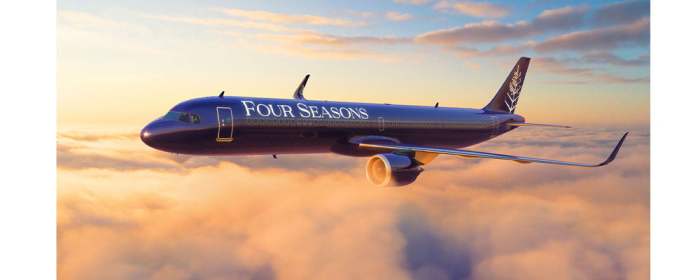
The burgeoning popularity of private jet travel presents a significant environmental challenge. The industry’s contribution to greenhouse gas emissions is disproportionately high compared to its share of overall air travel. Growing public awareness of climate change and increased scrutiny of high-carbon lifestyles are pushing the private aviation sector to address its environmental impact more seriously than ever before.
This necessitates a proactive approach towards sustainable practices to ensure the long-term viability of the industry.The environmental impact of private jet travel stems primarily from the high fuel consumption per passenger and the relatively low occupancy rates compared to commercial flights. These factors result in a considerably larger carbon footprint per passenger mile. Consequently, the industry is under increasing pressure to adopt environmentally responsible strategies.
This pressure is coming from both regulatory bodies implementing stricter emission standards and a growing segment of environmentally conscious high-net-worth individuals who are demanding more sustainable travel options.
Sustainable Aviation Fuels (SAFs) and Their Role
Sustainable aviation fuels (SAFs) are emerging as a crucial element in mitigating the environmental impact of private jet travel. SAFs are produced from renewable sources, such as used cooking oil, agricultural residues, and algae, unlike traditional jet fuel derived from fossil fuels. Using SAFs significantly reduces greenhouse gas emissions throughout the lifecycle of the fuel, from production to combustion.
While the current production capacity of SAFs is limited, significant investments are being made to expand production and improve efficiency. Companies like Neste and World Energy are already supplying SAFs to the aviation industry, and further advancements in technology promise to make SAFs a more cost-effective and widely available alternative in the coming years. For example, the use of SAFs in a single private jet flight could reduce CO2 emissions by up to 80% compared to traditional jet fuel, depending on the specific SAF used and the production process.
This represents a substantial step towards decarbonizing the private aviation sector.
Marketing Eco-Conscious Private Jet Travel
A successful marketing campaign focusing on eco-conscious private jet travel needs to highlight the industry’s commitment to sustainability. This requires more than just stating intentions; tangible actions must be showcased. A multi-pronged approach is recommended. The campaign could emphasize the availability and use of SAFs, highlighting the percentage reduction in carbon emissions achieved through their use. It should also showcase investments in carbon offsetting programs, supporting projects that actively remove carbon dioxide from the atmosphere.
Transparency is key: clearly communicate the environmental impact of flights and the steps taken to minimize it. This could involve providing passengers with detailed carbon footprint calculations for their journeys and demonstrating how the chosen route and aircraft contribute to minimizing emissions. Furthermore, the campaign should focus on the overall experience, highlighting the convenience and luxury of private travel alongside the reduced environmental impact achieved through sustainable practices.
This could involve showcasing partnerships with eco-friendly resorts and destinations, further reinforcing the commitment to sustainable tourism. The overall message should position eco-conscious private jet travel as a responsible and luxurious choice for the environmentally aware high-net-worth individual. An example of a campaign slogan could be: “Experience Unparalleled Luxury, Minimized Footprint.”
Luxury and Personalization in Private Jet Travel 2025
The private jet travel experience in 2025 is poised to redefine luxury, moving beyond mere transportation to encompass bespoke experiences tailored to individual preferences. This shift emphasizes seamless integration of technology, personalized service, and unparalleled comfort, creating a travel style that is both efficient and exquisitely indulgent.The demand for highly personalized and luxurious travel is driving innovation within the private jet sector.
Clients are no longer simply seeking a faster mode of transport; they are seeking an elevated lifestyle experience, seamlessly integrated from the moment of booking to arrival at their destination.
Top Luxury Amenities and Services
The expectation of luxury in private jet travel in 2025 transcends the traditional notions of comfort. Passengers anticipate a level of personalized service and technological integration that rivals the finest hotels and resorts. This includes advanced in-flight entertainment systems, personalized dining menus curated by Michelin-starred chefs, and bespoke wellness programs.
- Advanced In-Flight Entertainment: Imagine a system offering not only on-demand movies and music, but also interactive gaming, virtual reality experiences, and personalized curated content based on individual passenger profiles. This goes beyond simple screens; think immersive, high-resolution displays integrated seamlessly into the cabin design.
- Gourmet Dining and Mixology: Forget pre-packaged meals. Expect customized menus designed by renowned chefs, using fresh, seasonal ingredients tailored to dietary needs and preferences. A skilled mixologist might be on hand to craft bespoke cocktails using premium spirits and fresh juices.
- Bespoke Wellness Programs: Wellness is a key focus. Imagine on-board yoga sessions with a certified instructor, access to personalized fitness programs via interactive screens, and in-flight spa treatments using high-end products. The goal is to arrive at your destination feeling refreshed and rejuvenated.
- High-Speed Connectivity: Reliable, high-speed Wi-Fi is a must. Passengers expect seamless connectivity for work, entertainment, and communication, allowing them to maintain productivity and stay connected throughout their journey. This extends to sophisticated video conferencing capabilities.
- Advanced Cabin Technology: Cabin design will incorporate smart technology for climate control, lighting, and entertainment, all controlled via intuitive interfaces. Expect personalized settings that adjust to individual preferences throughout the flight.
Personalized Travel Experiences
The evolution of personalized travel experiences within the private jet sector involves anticipating and fulfilling individual passenger needs before they are even voiced. This includes pre-flight concierge services handling every detail, from arranging ground transportation and securing exclusive event tickets to curating bespoke itineraries based on passenger interests and preferences.This level of personalization extends to the in-flight experience. Passengers can expect customized cabin configurations, from seating arrangements to cabin temperature and lighting, adjusted to their exact preferences.
Pre-flight consultations with flight attendants allow for the tailoring of the entire flight experience, including meal preferences, entertainment choices, and in-flight activities. Think of it as a bespoke travel experience designed and managed with an almost anticipatory understanding of the passenger’s desires.
A Glimpse into the Future: A Brochure Showcase
Imagine the brochure: The cover features a sleek, modern private jet soaring against a backdrop of a breathtaking sunset over a pristine ocean. The title, elegantly embossed in gold foil, reads: “Elevate Your Journey: Private Jet Travel 2025.”Inside, high-quality images showcase luxurious cabin interiors. One image depicts a spacious cabin with plush, handcrafted seating arranged around a low, glass-topped table, where a passenger enjoys a glass of champagne while gazing at a panoramic view through a large window.
Another image shows a passenger participating in a yoga session, guided by an instructor on a built-in video screen. A third showcases a personalized meal being presented, the plating artistic and the ingredients impeccably fresh. The text accompanying the images uses evocative language, highlighting the seamless integration of technology, the unparalleled comfort, and the bespoke service that defines the private jet experience of 2025.
The brochure closes with a call to action, inviting potential clients to experience the ultimate in luxury and personalized travel. The overall tone is sophisticated, aspirational, and subtly exclusive, emphasizing the unique and personalized nature of the service.
Comparing Private Jet Travel with Other Luxury Travel Options in 2025
In 2025, the discerning traveler faces a plethora of luxury travel choices. While private jet travel remains the epitome of exclusivity and speed, it’s crucial to weigh its advantages and disadvantages against other high-end options like luxury train journeys and cruises to determine the best fit for individual needs and priorities. This comparison considers cost, speed, convenience, and environmental impact.
Private Jet Travel vs. Luxury Train Journeys
Luxury train travel, exemplified by routes like the Venice Simplon-Orient-Express or Rocky Mountaineer, offers a unique blend of romance and comfort. However, it differs significantly from private jet travel in several key aspects. Private jets prioritize speed and direct access to destinations, while luxury trains provide a more leisurely, scenic journey, often with curated onboard experiences.
| Factor | Private Jet Travel | Luxury Train Journey |
|---|---|---|
| Cost | Significantly higher per passenger, especially for smaller groups. | Can be expensive, but potentially more affordable per passenger for larger groups, especially on longer routes. |
| Speed | Unmatched speed, offering direct point-to-point travel. | Relatively slow, with travel times often spanning multiple days. |
| Convenience | Unparalleled convenience; direct access to airports, minimal security checks, and personalized service. | Involves transfers to and from stations, potential delays, and less personalized service compared to private jets. |
| Environmental Impact | Higher carbon footprint per passenger due to fuel consumption. | Lower carbon footprint per passenger compared to private jets, but still significant depending on the route and train type. |
Private Jet Travel vs. Luxury Cruises
Luxury cruises, such as those offered by companies like Regent Seven Seas Cruises or Silversea Cruises, provide all-inclusive experiences with multiple destinations. This contrasts sharply with the point-to-point nature of private jet travel. While cruises offer extensive amenities and onboard entertainment, private jet travel focuses on efficient and personalized travel to a specific location.
| Factor | Private Jet Travel | Luxury Cruise |
|---|---|---|
| Cost | Highly variable depending on the jet size and distance, but generally very high. | Can be expensive, but the all-inclusive nature can offer better value for longer trips. |
| Speed | Much faster, allowing for travel to multiple destinations within a shorter timeframe. | Slow, with travel time primarily spent at sea, visiting ports of call along the way. |
| Convenience | Exceptional convenience with door-to-door service, customized schedules, and immediate access to the final destination. | Convenience varies; requires packing and unpacking, potential sea sickness, and adherence to cruise schedules. |
| Environmental Impact | High per passenger due to fuel consumption. | Significant environmental impact due to large vessel size and fuel consumption. However, advancements in cruise ship technology are aiming to reduce this. |
Private Jet Travel and Niche Tourism Segments in 2025
Private jet travel is rapidly evolving beyond simple point-to-point transportation, becoming increasingly integrated with specialized tourism segments. The speed, convenience, and privacy offered by private jets are proving highly attractive to niche tourism markets, allowing access to previously unreachable destinations and enhancing overall travel experiences. This integration unlocks new possibilities for luxury travel, catering to discerning travelers seeking unique and personalized adventures.
Spiritual Journeys to Remote Destinations
Private jet travel offers unparalleled access to remote locations significant in various spiritual traditions. The ability to bypass commercial airport constraints and reach secluded areas directly contributes to a more immersive and tranquil experience. For example, a private jet could transport a group to the Himalayas for a meditation retreat in a remote monastery, minimizing travel time and maximizing time for spiritual reflection.
Similarly, a journey to the Amazon rainforest for a shamanic ceremony or a pilgrimage to a sacred site in the Andes could be significantly enhanced by the speed and comfort of private air travel. The reduced travel stress allows for a greater focus on the spiritual aspects of the journey.
Theme Park Vacations via Private Jet
Private jet travel offers a transformative approach to theme park vacations, emphasizing efficiency and convenience. Instead of enduring long airport lines and connecting flights, families and groups can fly directly to airports near their chosen destination, significantly reducing travel time and maximizing time spent enjoying the parks. Imagine a family flying directly from London to Orlando, Florida, arriving refreshed and ready for a day of thrilling rides and entertainment, without the usual airport hassles.
This direct access allows for a more relaxed and enjoyable vacation experience.
Agricultural Tourism and Wine Tours
The accessibility provided by private jets opens new avenues for agricultural tourism, particularly for wine and vineyard tours in remote regions. Imagine a group of wine enthusiasts embarking on a private jet tour across Tuscany, visiting smaller, family-run vineyards inaccessible by traditional transportation methods. The ability to customize itineraries and visit multiple locations in a short period enhances the overall experience, providing intimate encounters with winemakers and a deeper understanding of the winemaking process.
Similarly, exploring lesser-known coffee plantations in Colombia or tea estates in Sri Lanka becomes significantly more feasible with private jet travel.
Heritage Tourism and City Breaks
Private jet travel streamlines heritage tourism and city breaks, eliminating the logistical challenges often associated with these types of trips. Instead of navigating crowded airports and transferring between modes of transportation, travelers can fly directly to smaller airports closer to historical sites or city centers, saving valuable time. For example, a weekend trip to explore the historical sites of Rome or a cultural immersion in Kyoto could be made far more efficient with a private jet, allowing for more time to be spent experiencing the destination itself.
This efficiency significantly increases the overall enjoyment and value of the trip.
Cycling Tours and Active Tourism
Private jet travel offers logistical advantages for cycling tours and other active tourism segments. Instead of transporting bicycles on commercial flights or enduring long ground transfers, cycling groups can fly directly to the starting point of their tour, equipped with their bikes already loaded. This allows for more time to be spent cycling and exploring the chosen route, maximizing the active tourism experience.
For example, a multi-day cycling tour through the French Alps or a mountain biking adventure in New Zealand could be significantly enhanced by the convenience and efficiency of private jet travel, optimizing the overall logistical setup and maximizing time spent engaging in the activity.
Ultimate Conclusion
In conclusion, private jet travel in 2025 presents a compelling blend of luxury, convenience, and emerging challenges. The industry’s future hinges on its ability to balance the desires of discerning travelers with the imperative for environmental responsibility. By embracing technological innovation and sustainable practices, the private aviation sector can ensure its continued growth while minimizing its environmental impact and catering to the evolving preferences of a sophisticated clientele.
Commonly Asked Questions
What are the typical costs associated with private jet travel in 2025?
Costs vary greatly depending on factors such as aircraft size, flight distance, and the level of luxury desired. Expect a wide range, from several thousand to tens of thousands of dollars per flight.
What safety regulations govern private jet travel?
Private jet operations are subject to stringent safety regulations, often exceeding those for commercial airlines. These regulations cover aircraft maintenance, pilot training, and operational procedures.
How can I find a reputable private jet charter company?
Thorough research is crucial. Look for companies with established safety records, positive client reviews, and transparent pricing. Industry associations can also provide valuable resources.
What are the baggage allowances on private jets?
Baggage allowances are generally more flexible on private jets compared to commercial flights. However, this depends on the aircraft size and the charter company’s policies; it’s best to confirm directly with your provider.